






Welcome to
A1 Oil Tank Removal
Oil Tank Removal Company
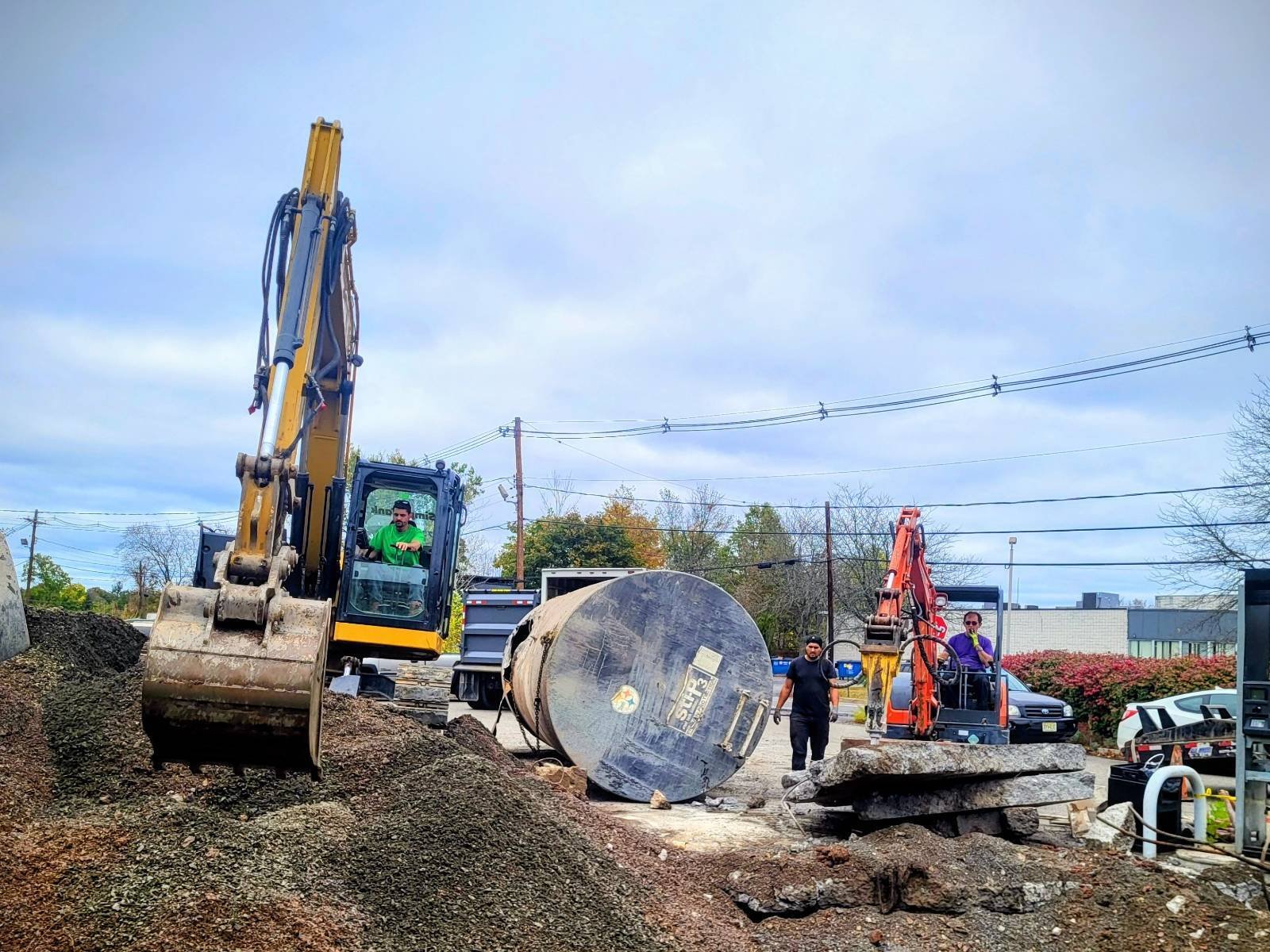
Commercial & Residential Tank Removal Experts in New Jersey
We make oil tank removal simple, transparent, and stress-free — for homes, businesses, and large commercial properties.
From testing to cleanup, A1 Oil Tank Removal handles every step safely, efficiently, and in full compliance with NJDEP regulations.
🧱 About A1 Oil Tank Removal
New Jersey’s Trusted Oil Tank Removal & Environmental Partner
At A1 Oil Tank Removal, we make tank removal simple, transparent, and stress-free — no matter the size or complexity of the project.
With years of experience serving homeowners and businesses in all counties across New Jersey, we’ve built our reputation on honesty, safety, and compliance. Our team of licensed professionals ensures every job meets the highest standards set by the New Jersey Department of Environmental Protection (NJDEP).
⚙️ Our Mission
To deliver safe, efficient, and fully compliant oil tank removal and environmental remediation services that protect your property — and your peace of mind.
We believe in doing the job right the first time: clear communication, fixed pricing, and zero surprises. Every project, whether residential or commercial, receives the same level of precision and care.
TRUSTED BY RESIDENTIAL AND COMMERCIAL PROPERTIE OWNERS THROUGH OUT NEW JERSY
Expertise. Intuition. Ingenuity.
Our Core Services
🏠 Residential Services
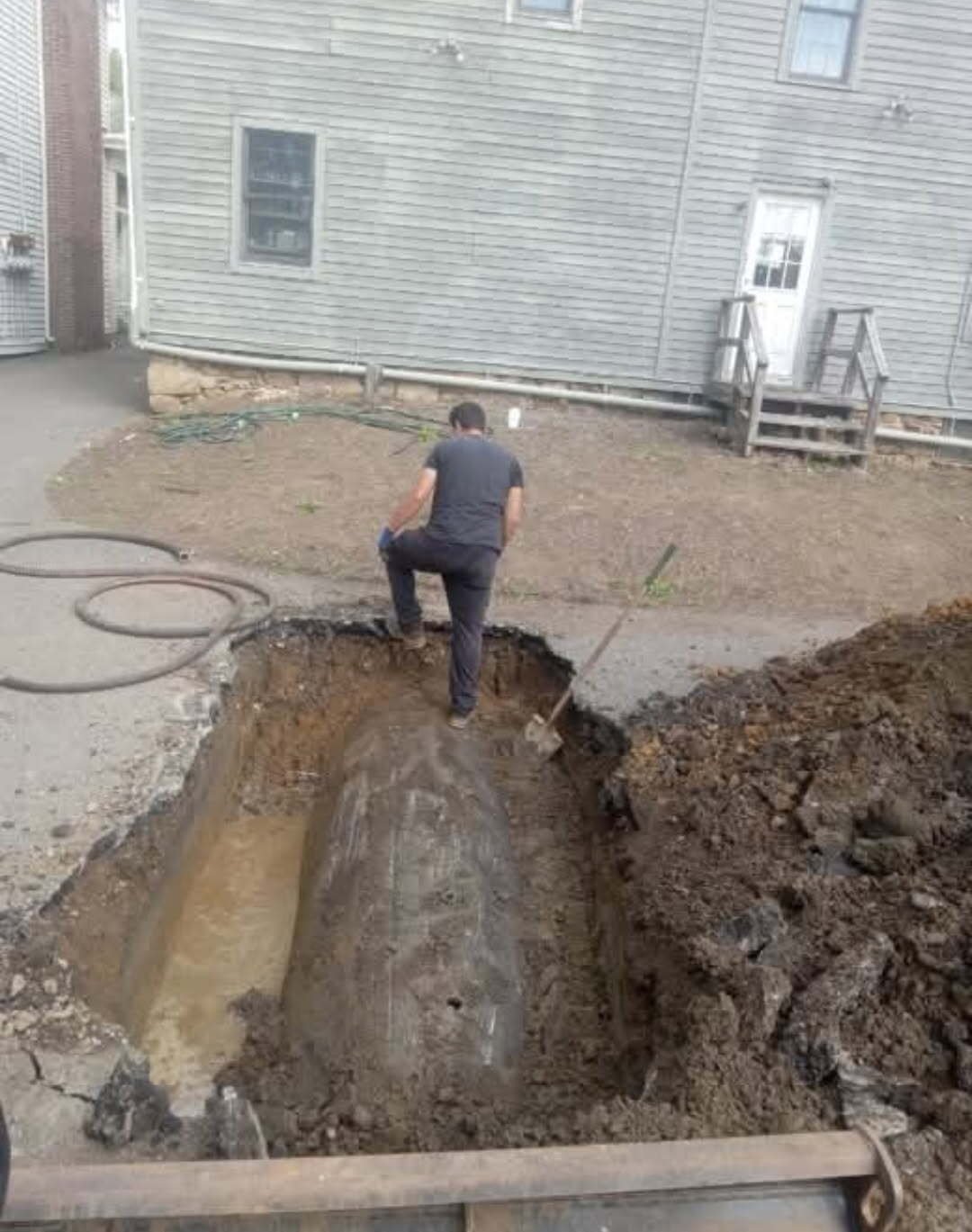
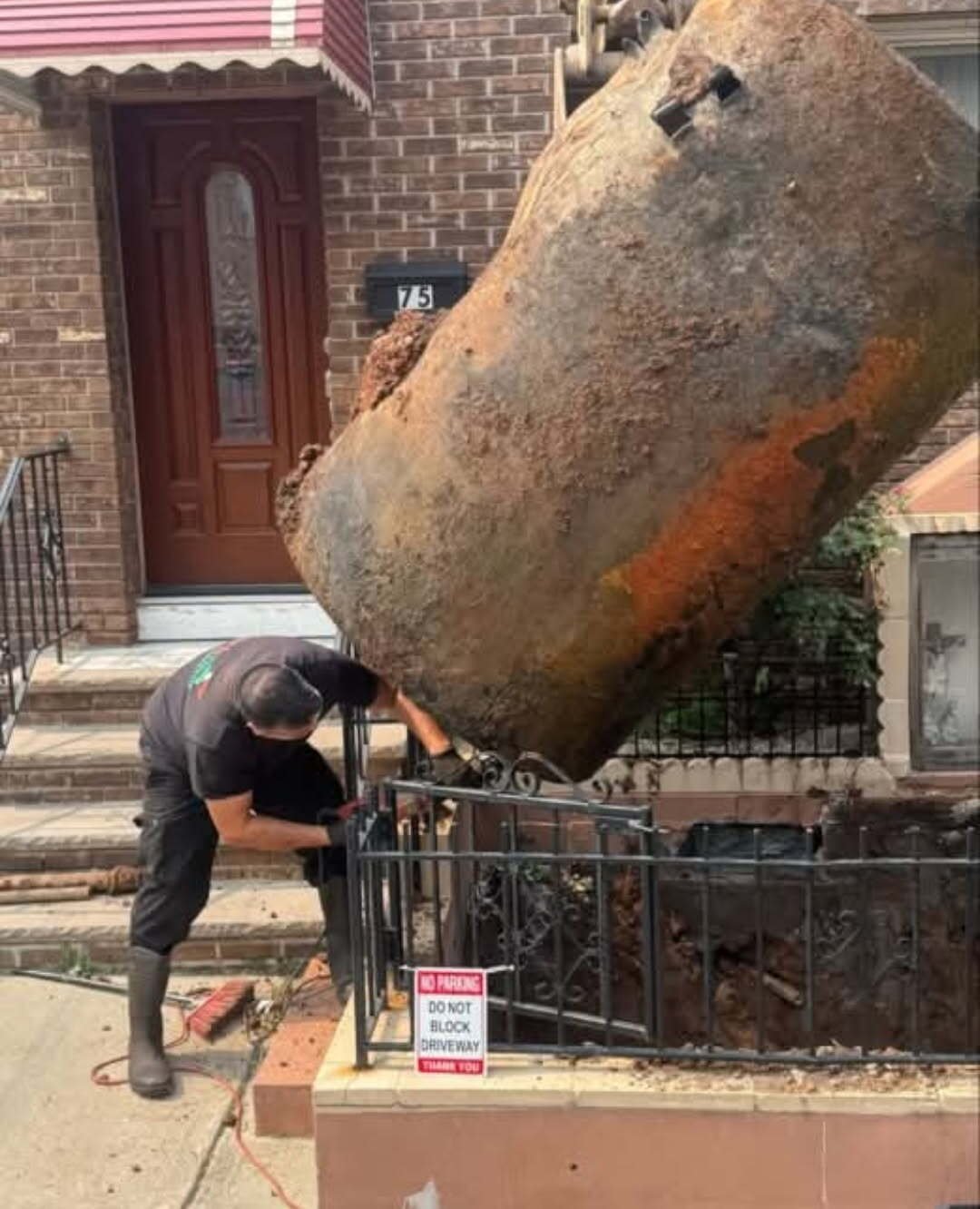
Safe, professional oil tank removal and soil testing for homeowners across New Jersey. Whether you’re selling your home or checking for leaks, our licensed experts handle everything — with fixed pricing and guaranteed results.
🏢 Commercial Services
Comprehensive tank removal and environmental remediation for commercial and industrial properties. From single tanks to large-scale projects, A1 delivers efficient, NJDEP-compliant solutions — on time and on budget.
♻️ Environmental Services
Our environmental team conducts Phase I & II Environmental Site Assessments (ESAs) and complete remediation services for contaminated sites. We ensure your property meets all regulatory standards before redevelopment or sale.
🧠 Why Choose A1 Oil Tank Removal?
Experience New Jersey’s #1 Rated Oil Tank Removal Service
We remove all underground and aboveground oil tanks. With us, you'll get an honest proposal for the project, not a bait-and-switch like the other companies out there!
- Specialists in commercial and residential tank removal
- Over a decade of environmental experience in New Jersey
- Licensed, insured, and NJDEP-compliant
- Fixed, transparent pricing — no surprise costs
- Turnkey service from assessment to remediation
- Trusted by homeowners, developers, and township
- Phase I ESA
- Phase II ESA
- Emergency Removal Available
- Dedicated Customer Support
“We combine big-project capability with small-business attention to detail.”
— The A1 Oil Tank Removal Team
Our Process
Simple from Start to Finish
1. Site Evaluation
We inspect your property and review environmental history.
2. Soil Testing
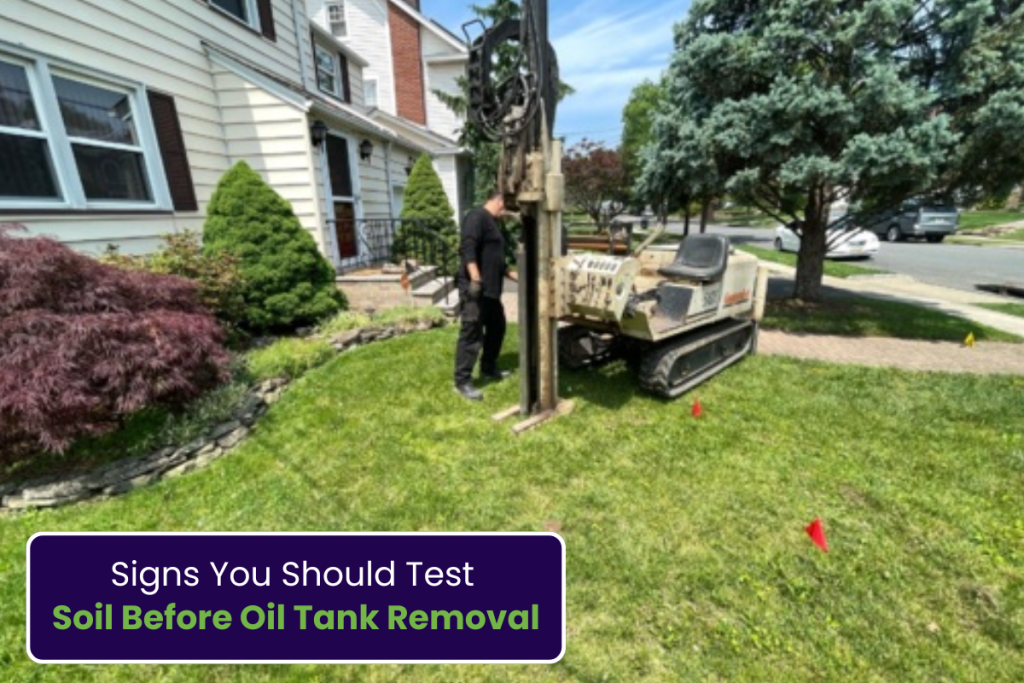
Advanced subsurface testing using Geoprobe technology.
3. Tank Removal
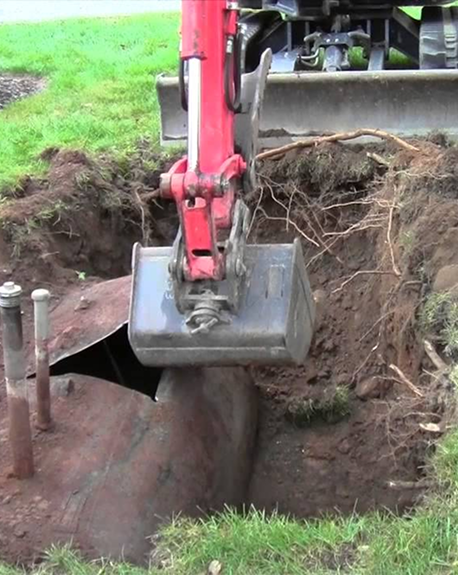
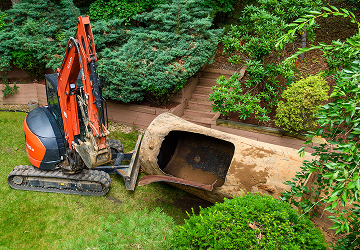
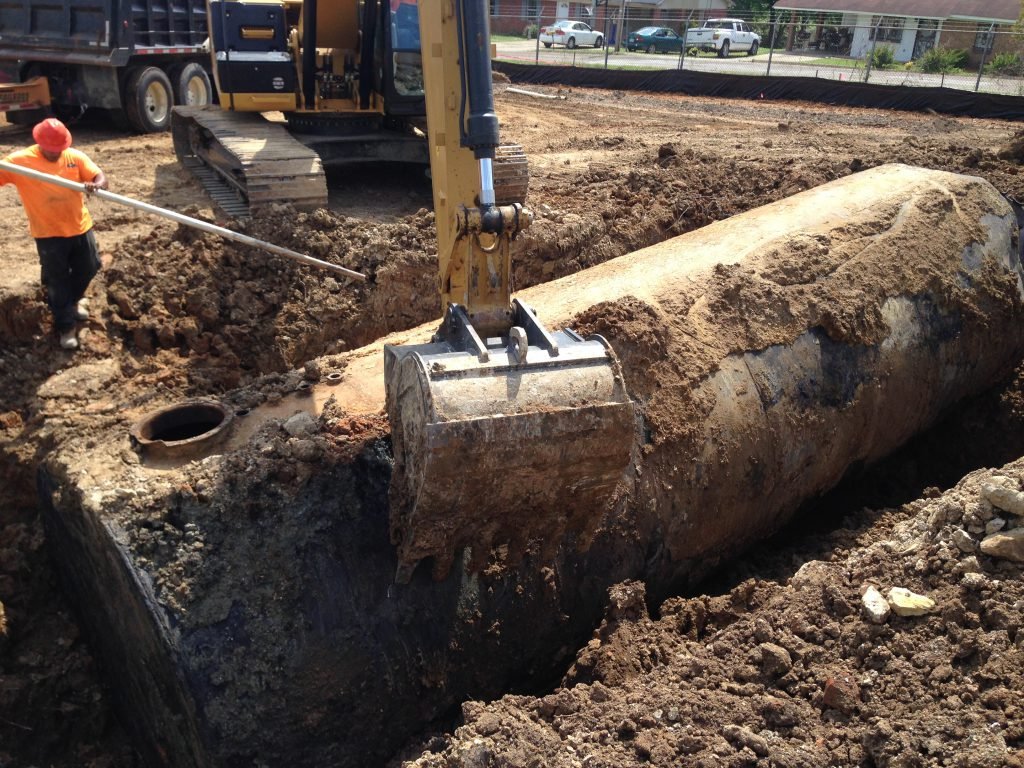
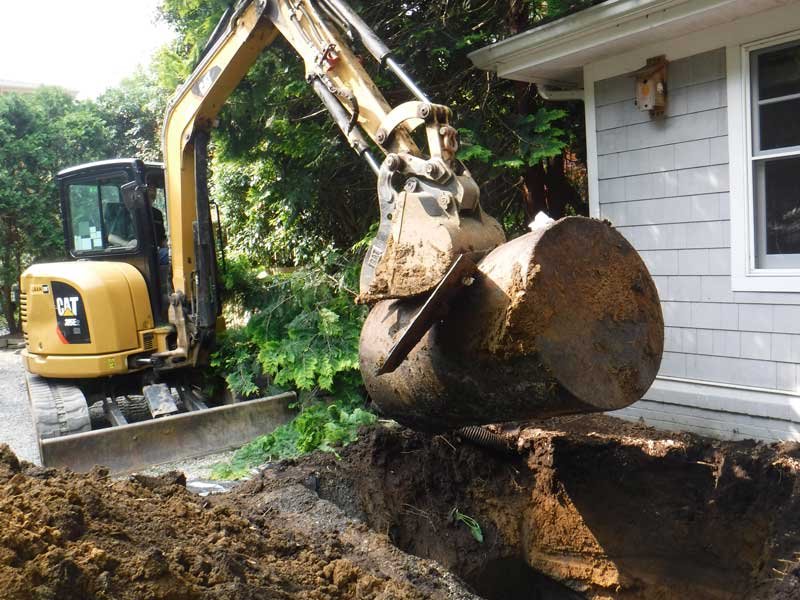
We uncover, remove, and manage tank disposals.
4. Remediation & Reporting
Cleanup, soil replacement, and official closure documentation.
📍 Proudly Serving All of New Jersey
A1 Oil Tank Removal provides oil tank removal, soil testing, and environmental remediation throughout New Jersey.
Where We Work
- North Jersey: Bergen, Essex, Hudson, Morris, Passaic, Sussex
- Central Jersey: Middlesex, Somerset, Union, Hunterdon, Mercer
- South Jersey: Monmouth, Ocean, Burlington, Camden, Gloucester, Atlantic, Cape May, Cumberland, Salem
📞 Ready to Get Started?
Whether you’re managing a commercial property or maintaining your home, A1 Oil Tank Removal delivers fast, compliant, and guaranteed service every time.
We Promise You To Give Best Services
💬 What Our Clients Say
"I highly recommend A1 Oil Tank Removal. Outstanding crew and office staff. Personable, friendly, competent and did a terrific job. From beginning to end they're a first-class operation."
Lisa V
"Made the whole process very easy. Acquired the permits, cleaned and patched and removed the oil tank. Would definitely recommend them!"
Eileen kornbluh
"A+++ Very professional personnel, who exhibit 100% expertise and knowledge. Every thing was done on time as per mutual agreement."
Helen Darby
Read What’s Happening At A1 Oil Tank Removals
Latest News & Updates
January 31, 2021
By Smith Henry
Generator Components Which You Should Know
Most underground oil tank removal contracts seem easy to understand and somewhat affordable. The big bold number on the bottom of the contract seems reasonable, right?
If your not an industry expert then you most likely don’t understand how the contract reads.
January 31, 2021
By Smith Henry
We Do Auto Repair And Inspection Commitment
The biggest lie about leaking oil tanks is that you HAVE to remediate the soils if the oil tank fails the inspection during the removal process. Most contractors want to sell you a soil remediation when most of the time its not required.
January 31, 2021
By Smith Henry
Inadequate Engine Oil Will Cause Damage The Parts
Engine oil is essential for lubricating the moving parts of your engine and reducing friction. Without enough oil, critical components like pistons, bearings, and camshafts can overheat and wear out quickly. This can lead to serious engine damage, costly repairs, or even complete engine failure.
Which Signs Show You Need Soil Investigation Before Oil Tank Removal?
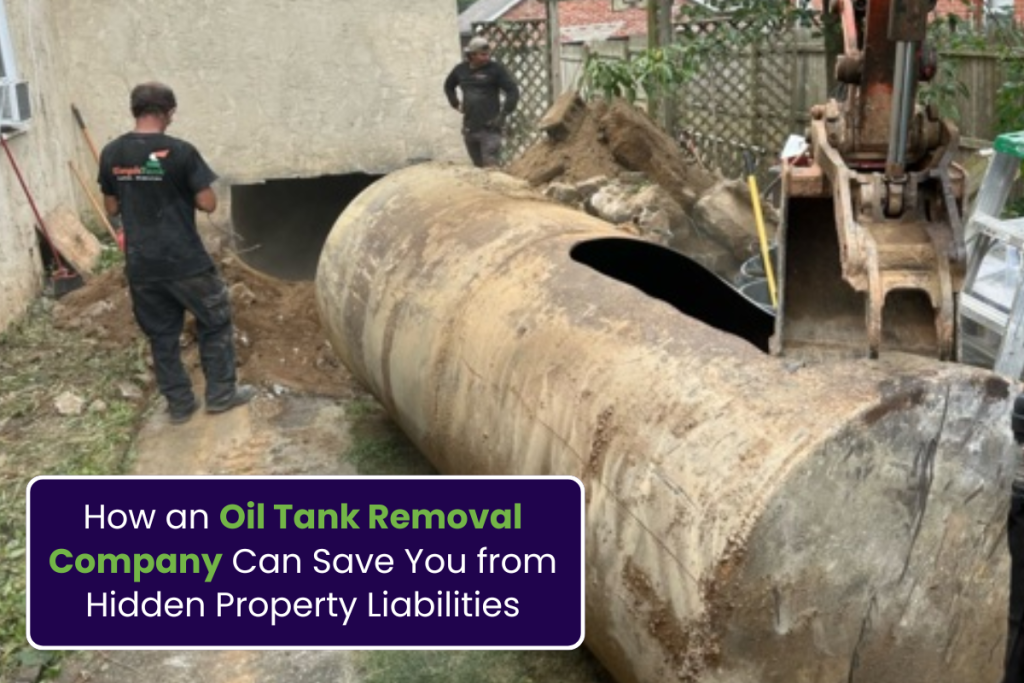
How an Oil Tank Removal Company in NJ Can Save You from Hidden Property Liabilities
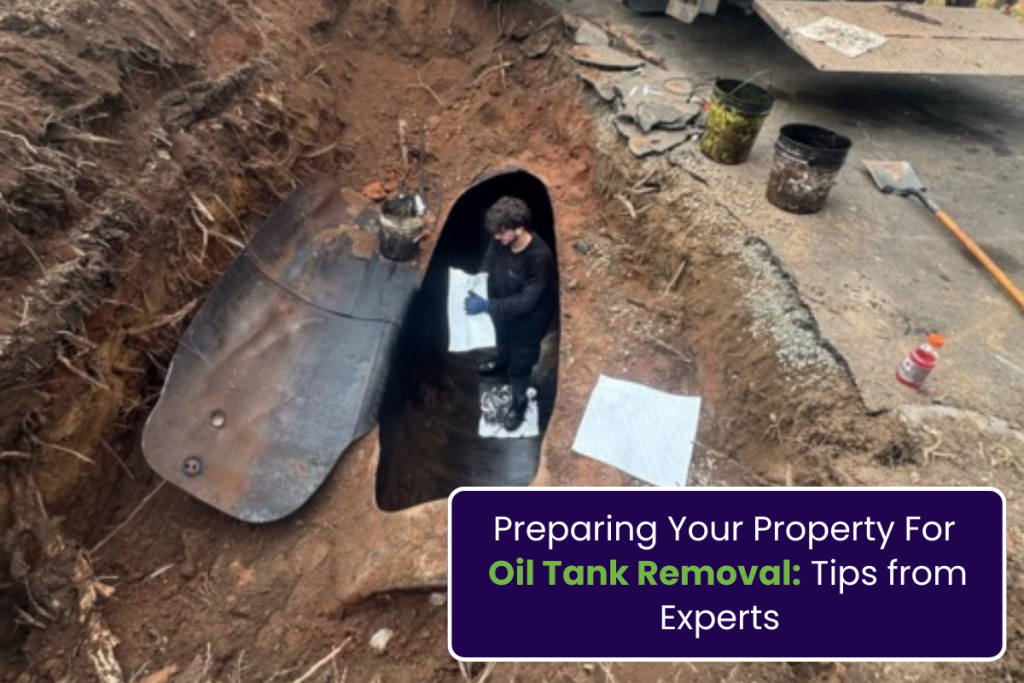
Preparing Your Property for Oil Tank Removal: Tips from Experts
INSTANT QUOTE
Frequently asked questions
Straight Answers. No Guesswork.
At A1 Oil Tank Removal, we believe in transparency.
Here are answers to the questions we hear most often about tank removal, soil testing, remediation, and environmental services.
🧪 Soil Testing & Remediation FAQs
Do I need soil testing if my tank isn’t leaking?
Yes — soil testing is the only reliable way to confirm that your tank hasn’t leaked.
We use Geoprobe drilling equipment to collect deep, accurate samples around your tank and have them analyzed by a state-certified lab.
Why is soil testing better than tank testing?
Tank testing only measures internal pressure and can’t detect leaks that have already occurred.
Soil testing provides definitive proof by analyzing the soil directly — and it’s the only method backed by our 100% guarantee.
When is soil remediation required?
Remediation is only required if laboratory data shows contamination levels above NJDEP cleanup standards.
We never recommend remediation without certified results — and every project is reviewed by a Licensed Subsurface Evaluator (SSE) and submitted to NJDEP for approval.
How long does remediation take?
Most remediation projects are completed in one workday (about 8 hours), with SSE reporting and NJDEP submission shortly after.
You’ll receive your No Further Action Letter once NJDEP confirms your site meets cleanup standards.
🏠 Residential Tank Removal FAQs
Do I need to remove my underground oil tank?
If your property has an unused or aging underground oil tank, removal is highly recommended. Tanks can deteriorate over time and may leak, leading to costly soil contamination. Many insurance companies and mortgage lenders now require removal prior to property sale or refinancing.
How long does the tank removal process take?
Most tank removals take one day once permits are approved. The total project timeline averages 2–4 weeks, depending on township permit turnaround.
What happens if my tank fails inspection?
If results are below NJDEP clean up standards, no remediation is required but we must still prove compliance to the state – they require proof of 5 clean samples and a report written by the SSe
Will my yard be restored after removal?
Yes. Once your tank is removed and inspected, the excavation area is backfilled with certified clean fill and leveled to grade.
If you plan to reseed or repave the area, we’ll leave it ready for restoration.
Will I receive documentation after my tank is removed?
Absolutely – You will receive a Clean Closure Packet, which is also submitted to your township to close your permit. If remediation is required you will receive your NFA
🌎 Environmental Site Assessment FAQs
What is a Phase I Environmental Site Assessment (ESA)?
A Phase I ESA is a research-based property evaluation that identifies potential environmental risks before purchase, sale, or redevelopment.
It includes historical reviews, record searches, and on-site inspections — but no sampling or drilling.
When do I need a Phase II ESA?
If a Phase I ESA identifies potential contamination concerns (called Recognized Environmental Conditions), a Phase II ESA is needed.
That’s when we collect soil or groundwater samples to verify whether contamination is present and how extensive it is.
Do you handle commercial projects?
A1 Oil Tank Removal provides commercial and municipal tank removal, soil testing, remediation, and full environmental closure documentation across New Jersey, with transparent proposals, rapid scheduling, and complete NJDEP compliance.
Are your services licensed and insured?
A1 Oil Tank Removal is fully licensed, insured, and NJDEP-compliant. All work is performed by qualified professionals under Licensed Subsurface Evaluator (SSE) oversight, with commercial projects overseen by a Licensed Site Remediation Professional (LSRP).
What areas do you serve?
We proudly serve all of New Jersey, including:
Bergen • Essex • Hudson • Morris • Union • Middlesex • Somerset • Hunterdon • Monmouth • Ocean • Burlington • Camden • Gloucester • and surrounding counties.
Does a decommissioned tank need to be removed?
Yes. Decommissioned tanks are generally required to be removed for home sales, refinancing, and insurance.
A decommissioned tank can still have leaked, and paperwork stating “no holes” doesn’t guarantee anything — inspections were often done in dark, confined spaces, and small perforations can easily be missed.
Removing the tank is the only way to be sure there’s no contamination and to satisfy current real estate and insurance standards.