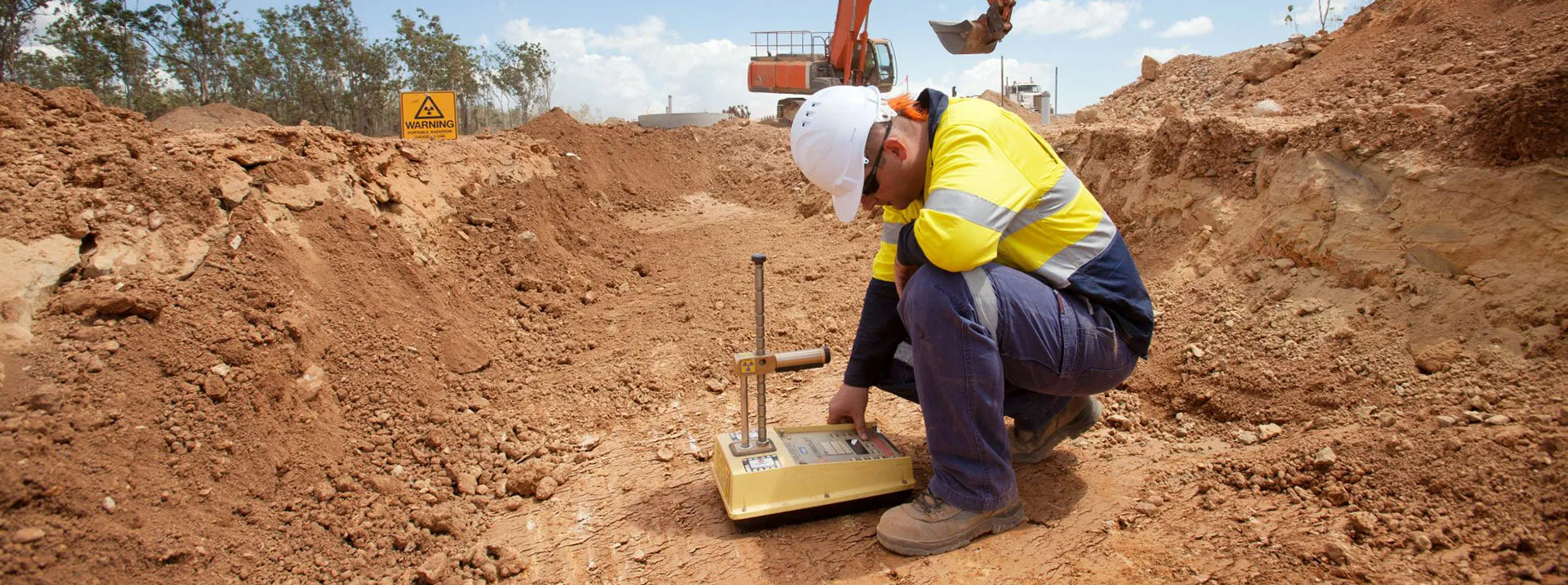
Not every tank removal requires soil remediation. If someone tells you otherwise without lab results, that’s a red flag. According to the NJDEP, cleanup is only needed when contamination levels are above state standards. If it’s below those limits, you’re in the clear.
What Happens If Your Tank Fails Inspection
If your tank fails inspection, we’ll take one soil sample from the bottom of the tank excavation and send it to a state-certified lab for testing. Once we get the results, here’s what happens next:
If the Results Are Below 1,000 ppm
That’s great news! It means the contamination is within safe limits. At that point, our licensed subsurface evaluator comes out to collect six confirmation samples from around the excavation area. Those results are sent to the lab, and once confirmed clean, the evaluator prepares a report for the NJDEP. You’ll then receive a No Further Action (NFA) letter — your official proof the property is clean.
If the Results Are Above 1,000 ppm
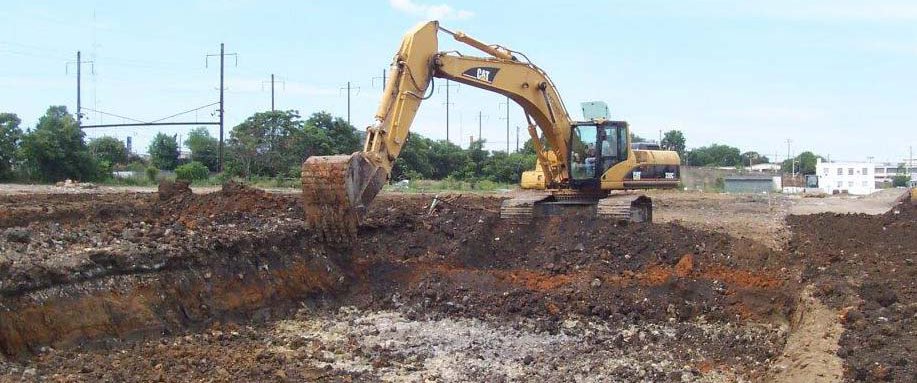
If contamination levels exceed NJDEP cleanup standards, we’ll handle the soil remediation. This includes:
Excavating and removing contaminated soil
Disposing of it at a licensed facility
Sampling to confirm the area is clean
Backfilling with certified clean fill
Once results confirm the cleanup meets NJDEP standards, you’ll receive your NFA letter. Most remediation jobs are completed within one day.
When We Encounter Rock or Water
Sometimes we hit bedrock or groundwater while excavating. In those cases, the NJDEP may require additional testing, such as drilling or groundwater sampling, to ensure everything meets state requirements.
Honest, Transparent Pricing
The cost of soil remediation depends on the level of contamination, disposal volume, and site conditions. We’ll always explain your options and pricing before any work begins — no hidden costs, no pressure.
Need guidance or have questions about your oil tank project?
Reach out to A1 Oil Tank Removal — we’ll walk you through it the honest way.